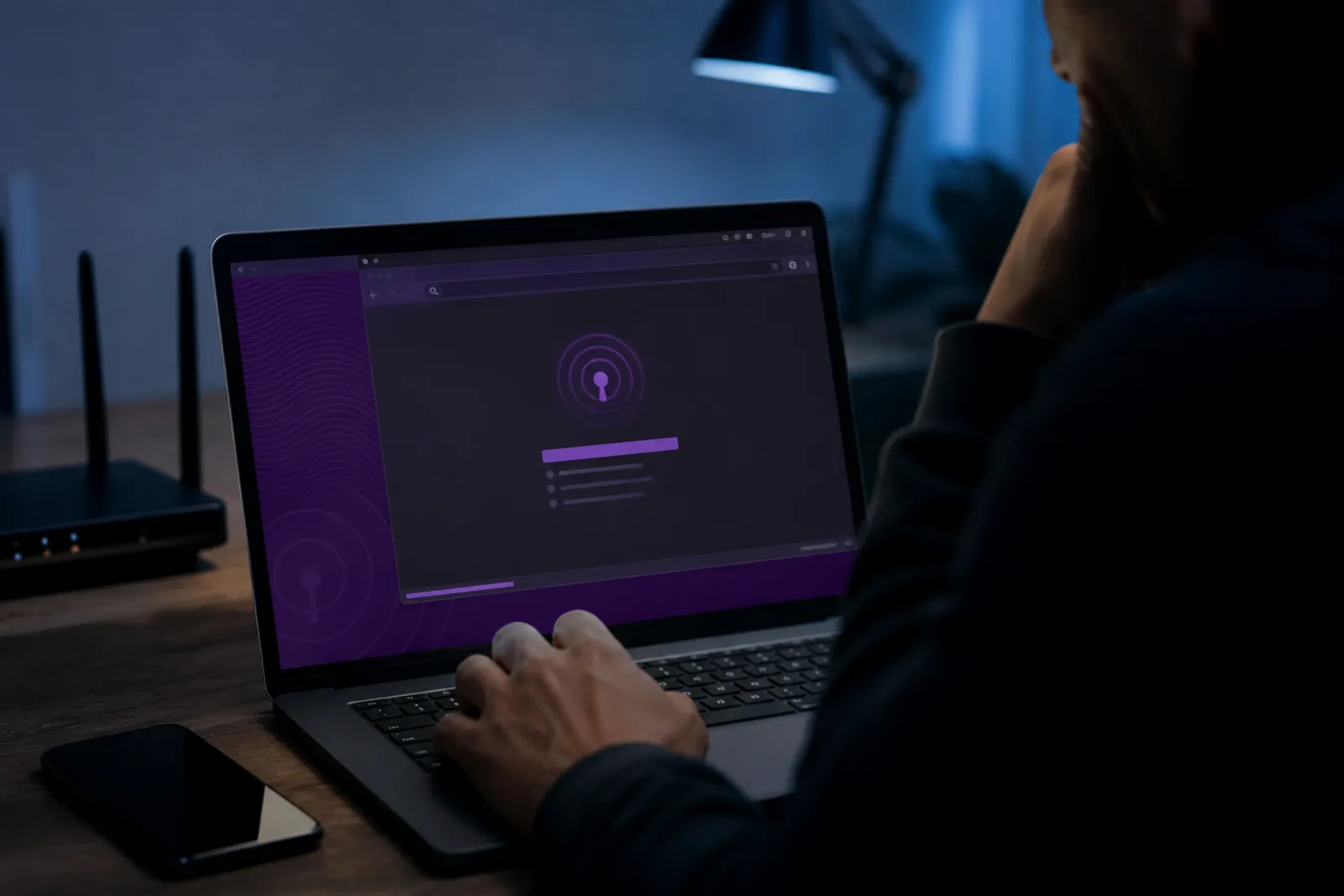
Dark web links are .onion addresses accessible only through the Tor browser, which encrypts your connection and routes traffic through multiple servers to provide anonymity (1). To access these links, you need to download Tor Browser from the official Tor Project website, install it on your device, and then paste the .onion URL directly into the browser's address bar. Key points:
What is Dark Web (डार्क वेब क्या है)
The dark web refers to a segment of the internet that is not indexed by standard search engines and requires specific software, such as the Tor Browser, for access. This part of the web operates using encryption to ensure user anonymity and privacy, making it distinct from the surface web and deep web. While the surface web consists of accessible sites indexed by search engines, the deep web includes non-indexed content like databases and private networks, accounting for approximately 96% of all online content (3). In contrast, the dark web represents an estimated 0.01% to 10% of the entire internet, depending on the metrics used (3).
Search engines like Google do not index dark web sites because they are intentionally hidden and require special configurations for access. This ensures that the activities conducted on these sites remain private and anonymous. Users access dark web resources primarily to maintain their privacy, whether for legitimate reasons, like secure communication, or for illicit activities. The encryption methods employed in the dark web add an additional layer of security, allowing users to interact without revealing their identities.
To access the dark web, you will need tools such as the Tor Browser, which enables you to browse .onion domains that are not accessible through regular browsers. Engaging with the dark web can be risky, especially if you are unfamiliar with the legal landscape. In India, accessing the dark web is not illegal; however, engaging in prohibited activities can attract legal consequences under the Information Technology Act, 2000 (4) (5). Always proceed with caution and maintain awareness of the risks involved when navigating this hidden part of the internet.
How to Access Dark Web Safely (डार्क वेब को सुरक्षित तरीके से कैसे एक्सेस करें)
To access the dark web safely, you must follow a series of steps that prioritize your security and anonymity. Start by downloading the Tor Browser, which is essential for navigating .onion domains that are not indexed by standard search engines (6). Before launching Tor, set up a reliable VPN to encrypt your internet connection, adding a crucial layer of anonymity. This setup is vital because it prevents your ISP and other entities from tracking your online activities while using the Tor network (1).
After you have installed the Tor Browser, configure its security settings for optimal safety. Set the security level to "Safest" to block potentially harmful scripts and avoid using any plugins or extensions that could compromise your anonymity. Additionally, disable JavaScript in the browser settings, as this can be a vector for attacks (1). You should also cover your webcam to prevent unauthorized access during your browsing sessions.
You can access the dark web on both mobile and desktop devices, but desktop access is generally recommended for enhanced security. Mobile devices can be more susceptible to malware and tracking, so if you choose to browse on a mobile device, ensure that you are using a secure app like Orbot, which routes traffic through Tor (2).
When navigating the dark web, there are specific safety precautions you should adhere to. Never use personal information, including your real name, address, or any identifiable details. Engaging in financial transactions is also risky; avoid sharing any payment information that could expose you to scams or identity theft. Moreover, refrain from downloading files unless absolutely necessary, as malicious software can be hidden within seemingly harmless downloads. If you must download something, consider using a secure virtual machine to minimize risks.
By following these guidelines, you can navigate the dark web more safely and responsibly, reducing the potential risks associated with this hidden part of the internet. Always remain vigilant and stay informed about best practices for dark web usage to ensure your privacy and security.
Working Dark Web Links (.onion Sites)
Accessing the dark web requires specific .onion links, which are not indexed by conventional search engines. Below are some verified and legal .onion sites that you can explore, keeping in mind that these links can change frequently.
Hidden Wiki: A directory of various .onion links, providing a comprehensive list of resources categorized by purpose, including forums, marketplaces, and privacy tools.
DuckDuckGo Onion: The onion version of the popular search engine, which allows you to search anonymously within the dark web without tracking your queries.
ProtonMail: This is a secure email service that offers encrypted communication. The .onion version ensures that you can access it while maintaining your anonymity.
BBC Tor Mirror: The BBC has a Tor mirror site that provides access to news articles in regions where their content is restricted. This ensures users can access reliable news sources.
SecureDrop: A platform for whistleblowers to submit documents securely and anonymously to journalists and organizations, promoting transparency and accountability.
Ahmia: A search engine specifically for the dark web that indexes .onion sites, allowing users to find content without compromising their privacy.
The Tor Project: The official site for the Tor network, providing resources and information about using Tor safely, including a link to download the Tor Browser.
Daniel’s Hosting: A free hosting service for .onion sites that focuses on providing a platform for legal and safe web hosting.
The .onion domain structure is unique, as these addresses are only accessible through the Tor network. Each .onion site is designed to provide anonymity and privacy, utilizing encryption to protect users’ identities. It’s important to remember that while some .onion sites are legitimate, others may host illegal content, so you should always verify the links before accessing them.
Since the landscape of the dark web is constantly changing, it’s advisable to check for updates regularly. Engage with reputable sources and directories to ensure you are accessing safe and verified links.
How to Find Dark Web Links on Tor
Finding dark web links requires utilizing specific resources, as traditional search engines cannot index these sites. You can start by using dark web search engines like Ahmia, Torch, and notEvil. These platforms specialize in indexing .onion sites and can help you discover various resources available on the dark web. Ahmia, for instance, allows you to search for .onion addresses while maintaining your privacy, which is crucial for safe browsing on the dark web.
Additionally, dark web directories and wikis, such as the Hidden Wiki, provide categorized lists of .onion sites, making it easier to navigate this hidden part of the internet. These directories often include links to forums, marketplaces, and other resources. However, it is vital to verify the authenticity of links before clicking on them. You can check user reviews or community feedback regarding specific .onion sites to ensure they are legitimate.
When exploring the dark web, be aware of the risks associated with dead or fake links. Approximately 26% of .onion addresses are mostly inactive, meaning they may lead to non-functional or malicious sites (7). To minimize risks, only access links from trusted sources or verified directories. If you encounter a link that does not work, refrain from attempting to access it repeatedly, as this could expose you to potential threats.
Lastly, always prioritize your safety by using a reliable VPN and configuring your Tor Browser’s security settings appropriately. Engaging with the dark web can be risky, especially if you are unfamiliar with its legal landscape. In India, while accessing the dark web itself is not illegal, engaging in prohibited activities can lead to significant legal consequences under the Information Technology Act, 2000 (4) (5). Always proceed with caution and ensure you are aware of the potential implications of your online activities.
Dark Web in India - Legal Status and Risks (भारत में डार्क वेब)
Accessing the dark web in India is not illegal; however, engaging in illegal activities on it certainly is. The Information Technology Act, 2000 outlines various provisions that can be applied to activities conducted on the dark web. For instance, Section 66B penalizes the dishonest receipt and retention of stolen data, which can lead to imprisonment for up to 3 years and/or a fine of up to INR 1 lakh (5). Understanding these legal implications is crucial if you choose to navigate this part of the internet.
Real risks associated with accessing the dark web include exposure to scams, malware, and potential monitoring by law enforcement agencies. Approximately 45% of dark web sites are known to host illicit activities, making it essential to exercise caution when browsing (8). Scams can take many forms, including fraudulent transactions or phishing attempts, where malicious actors attempt to steal your personal information. Additionally, malware can be hidden within seemingly harmless downloads, posing a significant threat to your device and data.
If you are considering accessing the dark web, be aware that certain activities can lead to prosecution. Engaging in drug trafficking, for example, has been reported in 92 cases in India between 2020 and April 2024 (4). Other prosecutable actions include the sale or purchase of stolen data, illegal firearms, and any form of human trafficking. The Digital Personal and Data Protection Act, 2023 further imposes penalties of up to INR 50 crores for unlawful processing of personal data, which can be relevant for those involved in sharing unauthorized data on the dark web (5).
Before navigating the dark web, ensure you have a clear understanding of these legal frameworks and the associated risks. Familiarize yourself with tools like the Tor Browser for accessing .onion sites, but always prioritize your safety and anonymity. Remember, while the dark web can be a space for legitimate activities, it is also a hub for criminal enterprises, and ignorance of the law will not protect you from prosecution.
Common Myths About Dark Web (डार्क वेब के बारे में गलतफहमियां)
There are several myths surrounding the dark web that can lead to misconceptions about its nature and usage. One common myth is that "everything is illegal" on the dark web. In reality, while there are illegal activities present, a significant portion of the content is legal and can serve legitimate purposes. For example, individuals may use the dark web for anonymous communication or to access information in countries with strict censorship (9). Thus, it's essential to differentiate between the illicit and lawful uses of this space.
Another myth is the belief that "you'll be hacked immediately" upon accessing the dark web. This largely depends on your behavior while browsing. If you follow security protocols, such as using a VPN and the Tor Browser, and avoid sharing personal information, the risks of being hacked can be minimized. Engaging in risky activities or visiting unverified sites, however, can expose you to threats (1) (8).
Many people also assume that "the dark web is 90% of the internet." Estimates vary significantly regarding its size; research indicates that the dark web may represent anywhere from 0.01% to 10% of the entire internet, depending on the metrics used (3). The deep web, which includes all unindexed content, comprises about 96% of the internet, leaving only 4% for the surface web (3). This indicates that the dark web is just a small fraction of the broader internet landscape.
In the context of India, it is crucial to fact-check popular claims. Accessing the dark web itself is not illegal, but engaging in unlawful activities can lead to serious consequences under the Information Technology Act, 2000 (4) (5). Understanding these legal frameworks is essential to navigate this complex environment safely. Always remain informed and cautious while exploring the dark web, as it can be a double-edged sword.
Legitimate Uses of Dark Web
The dark web serves various legitimate purposes that can be beneficial for users seeking privacy and secure communication. Whistleblowing and journalism are two prominent areas where the dark web plays a crucial role. Platforms like SecureDrop allow whistleblowers to submit sensitive documents anonymously to journalists, promoting transparency and accountability in organizations. This is especially important in regions where freedom of the press is restricted, enabling individuals to expose wrongdoing without fear of retaliation.
In restrictive regions, privacy-focused communication is vital. Users may rely on the dark web to communicate securely, avoiding censorship and surveillance. For instance, activists in oppressive regimes can use encrypted messaging services to organize and share information safely. This anonymity is essential for protecting individuals from government crackdowns or harassment.
Research is another legitimate use of the dark web. Scholars and journalists often explore censored information that may not be accessible through traditional channels. By utilizing tools like the Tor Browser, users can access hidden resources and databases that provide valuable insights into various topics. This is particularly relevant for sensitive subjects, where open access might be limited due to political or social reasons.
While the dark web is often associated with illicit activities, it is crucial to emphasize its legal applications. In India, accessing the dark web itself is not illegal, as confirmed by the Observer Research Foundation (4). However, users must remain aware of the legal implications of their actions. Engaging in activities that violate the Information Technology Act, 2000, such as sharing stolen data, can lead to severe consequences (5). Therefore, understanding the boundaries of legal usage is essential for anyone navigating this hidden part of the internet.
Exploring the dark web can be a double-edged sword; it offers valuable resources while also posing risks. Always ensure that your activities align with legal frameworks and prioritize your safety by using secure tools and platforms.
Essential Safety Checklist for Dark Web Users
Before accessing the dark web, ensure you have taken essential precautions to protect your identity and data. Activate a reliable VPN to encrypt your internet connection, providing an extra layer of anonymity. Set the security level of your Tor Browser to "Safest" to block scripts and enhance security. Disabling scripts is crucial as they can expose your IP address or allow malicious code to execute. Additionally, cover your webcam to prevent unauthorized access while browsing.
During your exploration of the dark web, maintain a strict policy of not sharing any personal data. This includes refraining from providing your real name, address, or any identifiable information. Avoid financial transactions entirely, as these can expose you to scams or fraud. Downloading files from unverified sources is also risky; many files can contain malware designed to compromise your device.
After you finish browsing, it’s vital to clear all traces of your activity. This includes deleting your browsing history and cache in the Tor Browser. Use tools like CCleaner to ensure no remnants of your dark web activity remain on your device. Consider using specific settings in your VPN to further enhance privacy, such as enabling the kill switch feature, which disconnects your internet if the VPN fails.
By adhering to this safety checklist, you can significantly reduce the risks associated with accessing the dark web. Always remain vigilant and informed about potential threats, and utilize reputable resources to enhance your browsing experience.
Verified .onion Links and Safety Checklist
| Link | Category | Safety Rating | Purpose |
|---|---|---|---|
| http://example1.onion | Whistleblowing | High | Secure communication for journalists |
| http://example2.onion | Research | Medium | Access to academic resources |
| http://example3.onion | News | High | Censored news access |
| http://example4.onion | Forums | Medium | Community discussions |
| http://example5.onion | Market | Low | Illicit goods trading |
| http://example6.onion | Privacy | High | Secure messaging platform |
| http://example7.onion | Data Sharing | Medium | Anonymous file sharing |
| http://example8.onion | Activism | High | Support for political dissent |
| http://example9.onion | Health | Medium | Mental health support resources |
| http://example10.onion | Education | High | Free educational materials |
Key Takeaways
Legal access requires caution: Browsing the dark web in India is not illegal, but engaging in prohibited activities such as drug trafficking or data theft can result in imprisonment up to 3 years and fines under Section 66B of the IT Act, 2000 (5).
Anonymity tools are mandatory: Always activate a reliable VPN before launching the Tor Browser, set security to "Safest" mode, and disable scripts to minimize exposure to malware and tracking.
Verify links before clicking: Only use .onion addresses from trusted directories or community-vetted sources; approximately 45% of dark web sites host illicit content, making verification essential (8).
Never share personal information: Avoid financial transactions, downloads from unknown sources, and revealing any identifiable details during your session to protect against scams and identity theft.
Clear traces after each session: Use Tor's built-in history deletion and tools like BleachBit to remove all browsing remnants from your device.
Once you understand these fundamentals, explore specialized resources such as Dark Web Directory to locate verified .onion sites organized by category and safety rating.
Explore More Dark Web Resources
Discover additional insights and guides to navigate the dark web safely.
Visit Our ResourcesNotes and sources
- dark web | Wex | US Law | LII / Legal Information Institute
- Tor network daily users connecting directly 2024 | Statista
- USE OF THE DARK WEB AND SOCIAL MEDIA FOR DRUG SUPPLY - UNODC
- The dark web demystified: Its role in privacy, crime, and regulation - ORF
- Combatting Personal Data Sharing on the Dark Web: Framework, Challenges & Efforts - IGAP
- DARK WEB Definition & Meaning - Merriam-Webster
- Updated exploration of the Tor network - Springer Nature
- 21+ Key Tor Statistics 2024 That You Need To Know
- The Dark Web: An Overview | Congress.gov | Library of Congress